
Computer Numerical Control, or CNC, has revolutionized the engineering and manufacturing fields in the recent decades. By integrating the latest technology and traditional machining processes, CNC machining has emerged as a dominant method for producing high-precision parts and components in a variety of industries. This article focuses on CNC machine’s mechanics, benefits and the numerous applications it has and the impact it has had on modern engineering.
The mechanics of CNC Machining
CNC machining is a subtractive manufacturing method, which means it removes the substance from a solid block or workpiece to create the desired shape. This process uses computers pre-programmed to control the motions of machinery. The code for CNC machines can vary depending on the type of machine and the complexity of the part that is being made. The basic principle of the CNC machine is the same. A high speed cutter is used to precisely cut away the material and create the final piece.
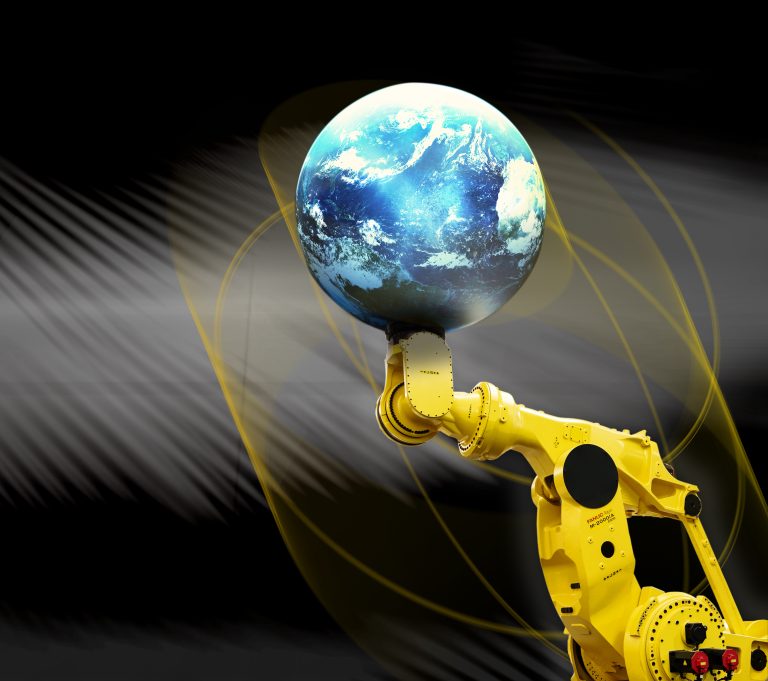
The precision of CNC machine is among its most significant advantages. The digitalized process makes it possible for incredibly accurate and consistent production, which reduces human error and making sure that batches are uniform across. This level of precision is crucial in fields like aerospace and medical devices.
The Role of Digitalised Computers in CNC Machine Operations
CNC machineries have high precision and efficiency because of its integration of digital tech. CNC machines are controlled by special software that automates the whole manufacturing process. This software turns computer-aided designs (CAD) into an exact set of instructions which are then followed by the CNC machine to create a part. The instructions are what determine everything starting from the speed of and the direction of the machine, to the angles and the depth of each cut.
In industrial facilities with larger capacities computers are typically integrated directly into CNC machines. They permit seamless communication, and control. This integration allows constant monitoring and adjustments in real time to guarantee optimal performance, and reduce downtime. Automating CNC machining permits continuous operation. This increases efficiency and decreases lead times.
CNC Machining Benefits
CNC machining has numerous advantages over traditional manufacturing techniques. One of the most significant benefits is its ability to produce complex and intricate parts with high-precision. The accuracy of CNC machining removes the need to make manual adjustments or rework, reducing the amount of waste and boosting efficiency. CNC machines can also be used in a continuous manner and are perfect for large production runs.
CNC machine also provides flexibility. When you change the software it is possible to use the same machine to create a variety of different parts. CNC is a machine that can be utilized to prototype or for mass production.
Automation of CNC machineries improves safety in the workplace. The chance of injuries and accidents is decreased by reducing the manual intervention. The consistent quality of CNC machined parts increases the reliability and performance of the products, contributing to the satisfaction of customers.
CNC Machining Services: Benefits for Industries
Efficiency, precision and flexibility are the main benefits of CNC machine machining. CNC machines are crucial in the aerospace industry because they must comply with extremely rigorous quality and safety standards. CNC machines are utilized in the medical device industry to produce sophisticated implants and surgical instruments where precision is crucial.
The automotive industry uses CNC machineries to produce parts for transmissions, engine components, and intricate exterior and interior features. The electronics industry also benefits from CNC machining, which can produce small, intricate parts for consumer electronics and communications devices. CNC technology is used by jewellery and art industries to design unique designs and intricate pieces.
The future of CNC Machining
As technology continues to advance, the capabilities of CNC machining are expected to expand further. Innovations such as multi-axis machine machining and additive manufacturing integration and the use of advanced material will push the boundaries of what is possible with CNC technology. In addition, the continuous development of artificial intelligence and machine learning can improve the effectiveness and accuracy of CNC processing.
CNC machined parts offer precision, efficiency, flexibility and unbeatable precision. Its ability of producing intricate parts with high-precision makes it an indispensable tool for various industries. As technology advances, CNC machining will undoubtedly remain a vital part in shaping the future of manufacturing.