
In every factory, refinery, or processing plant, there’s a machine working in the background, quietly pumping fluids day in and throughout the day without pause. Industrial pumps don’t get noticed until there is an issue, however they are vital in modern day industry. Choosing the right screw pump & pump parts manufacturer or working with trusted Industrial Centrifugal Pump Manufacturers often makes the difference between smooth operations and costly downtime.
The industrial pumps are created for conditions that require dependability above everything other things. They transport fluids, chemicals or slurries as well as process fluids through complex systems under pressure. Industrial pumps are designed for constant use and harsh conditions. They don’t make any compromises.
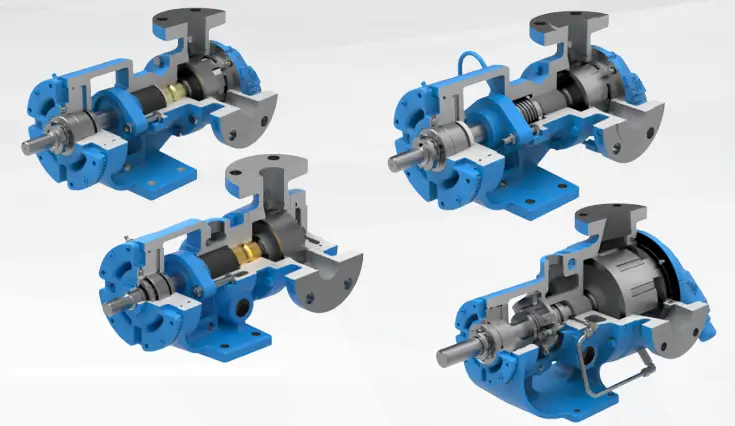
Image credit: lepuseal.com
Understanding Centrifugal Pumps & Applications for Screw Pump Applications
The centrifugal pump is one of the most common industrial pumps. They’re a great choice for moving large quantities of fluids with low or medium viscosity because of their simple design, constant flow, and energy efficiency. It is for this reason that the majority of manufacturers of Industrial Centrifugal Pumps place a high priority on the refinement of impeller geometries along with casing materials, as well as motor performance. These improvements will help reduce energy consumption while maintaining consistent output throughout long operating cycles.
Screw pumps perform a totally distinct, but equally important function. Screw pumps are ideal to be used in applications that need fluid consistency for instance, thicker and more difficult materials. Screw pumps can give smooth, unhurried movements in viscous liquids, oils and sludges as well viscous chemicals. A manufacturer of pump parts and screw pumps who is specialized in this area is aware of the effect internal tolerances, rotor design and seal design can have on the performance and longevity under pressure.
These pump types are designed to meet a wide range of industrial requirements, starting with simple water transfer to process and chemical handling.
Why Pump Parts Are Important? More than Many Think
The reliability of a pump is dependent on the components that make up the pump. Mechanical seals as well as shafts, bearings and casings endure constant wear, friction and pressure. In time, even small parts failures could lead to vibration, leaks or complete system shut-downs. It is important to have access spare parts, as well as a pump.
Many industrial companies prefer to work with suppliers that provide complete solutions for pumping instead of sourcing parts from a variety of vendors. By having well-constructed and compatible parts on hand you will be able to reduce downtime while extending the life of your equipment. This makes maintenance easier and assures that systems work within their specifications.
Lepu Seal has been a reliable supplier to industrial customers due to this unique approach. Through offering complete pump systems and a broad inventory of replacement components, Lepu Seal supports long-term reliability across all industries.
Built for Industries That Can’t afford downtime
Industrial pumps are utilized in chemical plants, refineries manufacturing facilities, wastewater systems and energy operations. In these environments failures are not only annoying but they could also disrupt entire production processes. This is why testing procedures, manufacturing standards and quality controls are so essential.
Trustworthy manufacturers test pumps under real operating conditions prior to shipping. The pressure checks, inspection of the material and the performance tests ensure that every pump meets high standards. This level of attention to details allows industrial customers to work with confidence being confident that their equipment has been built to last.
The need for reliable pumps and parts continues to increase as industries increase their capacity and modernize. Industrial Centrifugal Pump manufacturers with solid track records and reliable supplier of pump parts will ensure that systems are reliable, durable and ready to face the demands of continuous operation. In the end, reliability doesn’t just an attribute, it’s the basis of industrial success.